

Dental Implant SEO in Denver, Colorado
Denver is the largest city in Colorado, with 729,019 residents and 37,736 business establishments across its ZIP codes. Dental implant practices here compete for patients who have lost a tooth and need a specialist they can trust. Local search decides which practices appear on the map and in organic results for those searches. Patients usually check reviews, photos, listed services, hours and distance before they call. This page explains the competition, how patients choose a practice, what the city's scale means, which nearby cities matter, and where a local SEO plan starts.
- ✓ Rank for "dental implants" across Denver
- ✓ Review requests after every procedure
- ✓ Flexible terms: 3, 6, 12 or 24 months
Business count: U.S. Census Bureau, 2023 ZIP Business Patterns.
582 competitors. Three spots on the map.
There are 582 offices of dentists in Denver-area ZIP codes, all competing for the same searches. Google shows three on its map, and those three get most of the clicks and calls. Your free audit shows where you rank today.
Get my free auditWhat Denver customers search for
We build your profile and pages around the searches that turn into customers.
- single tooth implant
- all on 4 dental implants
- full mouth dental implants
- implant dentist
- implant supported dentures
- same day dental implants
- dental implant consultation
- tooth replacement options
- snap in dentures
What your plan covers
Everything a Denver dental implant practice needs to win the map, handled by one team.
- Google Business ProfileThe right categories, services, hours, photos and weekly posts.
- Review requests after every procedureSent right after each procedure, so your rating keeps growing.
- Treatment pagesA page for each implant option, built around what patients compare and search.
- Area pagesAurora, Lakewood, Thornton, Arvada and every area you serve.
- Local contentPages that answer what customers ask before they choose.
- Listings on 70+ directoriesThe same name, address and phone everywhere Google checks.
- Call trackingSee every call from Google and what the customer needed.
- AI searchShow up when people ask Google AI or ChatGPT for dental implant practices in Denver.
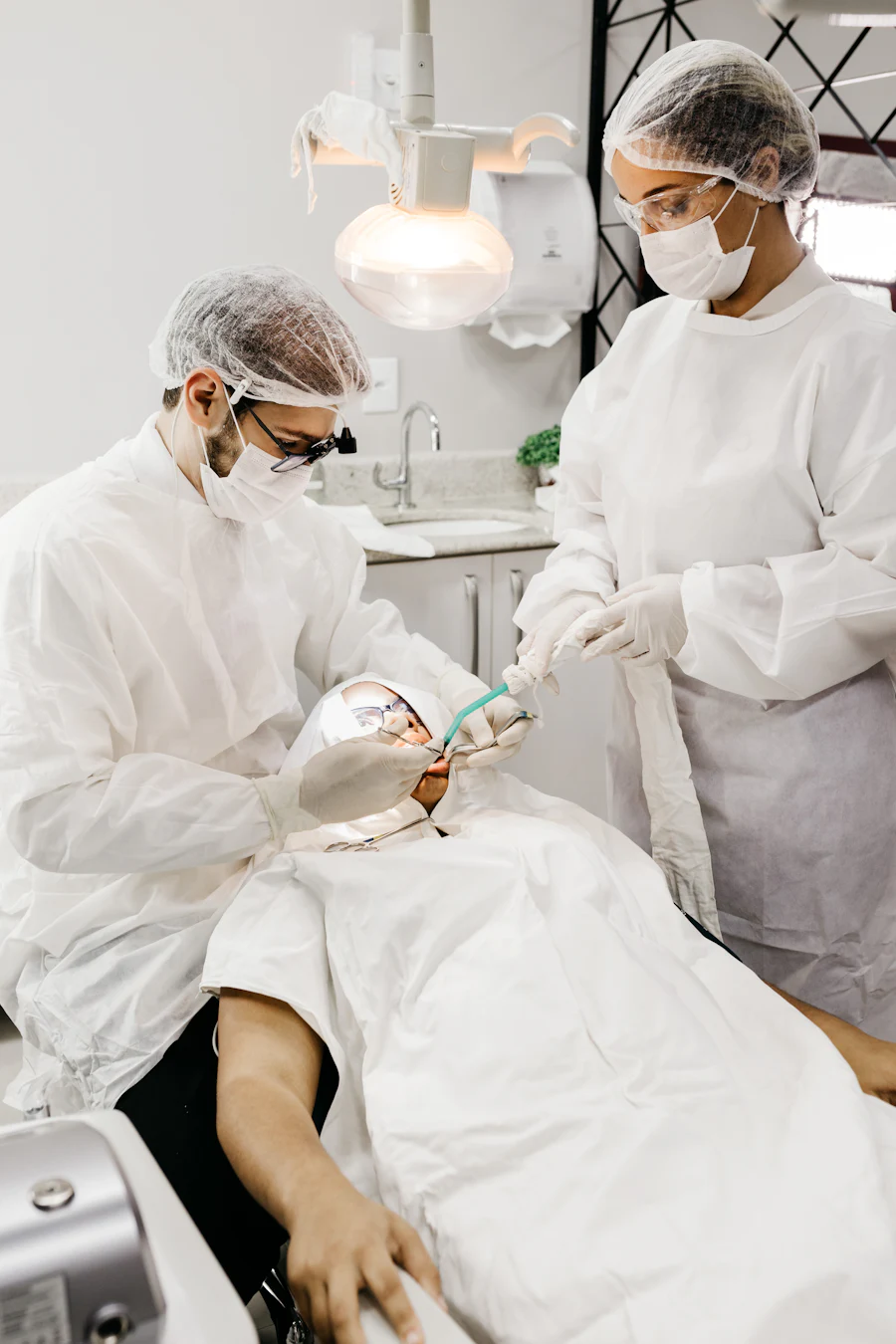
Shah Family Dental filled its new-patient schedule without paid ads
"They set up review requests after every visit. We went from 40 reviews to over 300, and new patients mention them on the phone." Dr. Priya Shah
Your first six months
How we would approach a Denver dental implant practice.
- Month 1
Audit and fix
- Map where you rank across Denver
- Fix your Google Business Profile
- Clean up listings
- Set up call tracking
- Months 2 and 3
Build
- Launch treatment pages
- Add pages for nearby areas
- Start review requests after every procedure
- Weekly profile posts
- Months 4 to 6
Grow
- Expand into more nearby areas
- Pages for common questions
- Earn local links
- Monthly calls and leads report
Site Garage, your client portal, included
Every client gets a Site Garage login to see their leads, update their business info and check on their site. No tickets, no waiting on an account rep.
- Every lead in one placeStar leads, add notes and mark them contacted, won or lost.
- Update your infoChange hours, phone and address across your site yourself.
- Edit your pagesChange page text with a preview before it goes live.
- Undo anythingEvery change is logged, and any change can be undone.
- Logins for your teamAdd people as editors or leads-only, each with their own login.
- Weekly health checksWe check SSL, speed, forms and links, and fix what breaks.
How many Denver dental implant practices compete for the map spots?
The U.S. Census Bureau counts 582 offices of dentists in Denver-area ZIP codes. That count also covers general, cosmetic, orthodontic, pediatric, oral surgery, endodontic and periodontic offices, so it is wider than implants alone. Implant practices still compete with all of them for the same local attention. Google shows only three spots on its map for a search, so a small group of offices gets the most visibility.
Competition for implant searches comes from general dentists too, since many of them offer implant placement. A practice listed under implants, not just general dentistry, can speak directly to the search. Its profile should name implant services in the business description and the service list. Reviews that mention implants help the profile match what patients type.
The three map spots are not fixed, and Google changes results based on the searcher's location and the profile details. Two practices a few blocks apart may see different results for the same search. Distance from the searcher shapes the map results more than most owners expect. A practice's profile still needs strong details to be considered at all.
Practices that want a bigger share of the map should compare their profile with the strongest listings nearby. Gaps in services, hours, photos or recent reviews are the easiest to fix. Closing those gaps first usually gives a practice the quickest path to more calls. Growth in visibility then builds from a solid base.
How Denver patients choose a dental implant practice
Most patients search for implants after losing a tooth or after a dentist recommends one. They often type phrases like "dental implants near me" or "implant dentist Denver" on a phone. Google then shows a short list of practices with reviews, hours and distance. Patients usually compare several before they call anyone.
The decision is often planned rather than urgent, so research can take several weeks. Patients read reviews to learn how staff treat people during consultations and follow-up visits. They also check photos of the office, the listed services and whether the practice explains each step. A profile that names implant consultations, placement and restoration makes those checks easier.
Distance still matters, but many patients will drive across the metro area for a specialist they trust. Reviews that mention implant care, clear communication and organized follow-up carry real weight. Fresh reviews also show that the practice is active now. Practices that ask every patient for a review after a visit build that record steadily.
Google also reads the details on a profile to decide which searches a practice fits. Accurate categories, service names and hours tell it when to show the office. Photos of the reception area and treatment rooms answer questions patients would otherwise ask by phone. Those details help one office stand out among many similar listings.
What Denver's size means for implant searches
Denver has 729,019 residents and 37,736 business establishments across its ZIP codes. That scale means implant practices compete neighborhood by neighborhood. A patient in one part of the city sees different options than a patient across town. The nearest good practice often wins the first look.
Denver ranks first among the 149 cities in Colorado, so it draws patients from across the metro area. Many searchers will look for the closest office that offers implants, and that office must show up in its own part of the city. Local pages and a complete profile help a practice reach those nearby searchers. A large city rewards focus more than broad claims.
Scale also means more competing offices in each area. Practices should decide which parts of the city they serve most easily. A clear service area in the profile tells Google where the practice fits. Patients who live farther away may still find a practice through a wider search.
Denver's size also means the market is bigger than any single office's reach. Patients often compare large and small practices side by side. A practice that explains its specialist team and its follow-up care will stand out in either setting. Local search rewards that clarity in the profile and on the website.
Which nearby cities can Denver implant practices reach?
Aurora is the largest nearby city with 403,130 residents, and its ZIP codes have 313 offices of dentists. That size makes Aurora a major market for a Denver implant practice. Patients in Aurora may already search for Denver specialists when they need implant care. A separate Aurora page can make the practice's services clear to those searchers.
Lakewood has 156,868 residents and 215 offices of dentists in its ZIP codes. That makes it another large market worth considering. Patients there may compare Denver practices with options closer to home. A Lakewood page should describe the services and how Lakewood patients can book.
Arvada, Westminster, Thornton, Boulder and Castle Rock also have enough residents to support their own pages if the practice serves them. A separate page makes sense when a city has its own searchers and the practice can truly serve them. A thin page that repeats the Denver page will not help. Each page needs details that fit its own city.
Start with the cities that have the most residents and the closest patient base. Each nearby page should describe real service details for that city, not copied text. Practices that serve many cities should keep each page focused on one area. That approach helps Google match each page to the right searches.
Where a Denver dental implant SEO plan starts
The first step is a full review of the Google Business Profile. The profile should name implant services, list the right categories, and show accurate hours and photos. A clean profile gives the practice the best base for the map results. Most clients see movement in 30 to 90 days.
Next, we set up a review request after every consultation or procedure visit, so reviews keep coming in steadily. Reviews that mention implant care help the profile match patient searches. Service pages for implant dentistry, restorations and follow-up care explain each step in plain words. Those pages give the profile and the website matching detail.
Listings on more than 70 directories keep the practice's name, address and phone number consistent across the web. Call tracking shows which searches lead to phone calls, so the practice sees what is working. Technical SEO keeps the website easy for Google to read and easy for patients to use on a phone. Each step builds on the one before.
For a practice serving several cities, city pages come after the Denver core is solid. The Site Garage client portal shows progress, calls and requests in one place. AI search visibility is also part of the plan because patients increasingly ask AI tools for local recommendations. The plan keeps the focus on the practice's real services and its patients.
Denver Dental Implant SEO questions
Can a Denver dental implant practice rank for searches in Aurora?
Yes, a Denver practice can show up in Aurora searches when it has a clear page for Aurora and a complete profile. Aurora has 403,130 residents, so it is a large market worth reaching. The page should describe the services and how Aurora patients can book, without copying the Denver page. Most clients see movement in 30 to 90 days, though each market moves at its own speed.
How many offices compete with my practice in Denver?
Denver-area ZIP codes have 582 offices of dentists, a count that includes general, cosmetic, orthodontic and oral surgery offices. Implant practices are part of that group, so the competition is wide. The useful question is how your profile compares with the strongest listings nearby. A practice that fills every profile detail has a real chance at one of the three spots on Google's map.
Do I need reviews to appear on the map?
Reviews help, but they are not the only factor. Google also looks at profile completeness, business categories, location and how closely a listing matches the search. Practices that ask for a review after every consultation build a steady record over time. Reviews also help patients decide which office to call.
Is a separate page for each nearby city worth it?
Yes, a separate page can help when a city has its own searchers and the practice truly serves them. Denver's nearby cities include Arvada, Westminster, Thornton, Boulder and Castle Rock. Each page needs unique details, such as the services offered and how patients from that city can book. A thin page that repeats the Denver page will not help.
How long before my practice sees more calls from search?
Most clients see movement in 30 to 90 days after the plan starts. Early changes often come from a complete Google Business Profile, accurate services and new reviews. Call tracking shows which searches lead to phone calls, so progress is easy to measure. Results vary by market and competition, so the timeline is a planning guide only.
Can AI tools recommend a Denver implant practice?
Yes, AI tools often draw on the same public business details that Google uses. Accurate services, clear descriptions and consistent listings across directories help an AI tool describe a practice correctly. Our AI search visibility work checks how the practice appears in those tools. Patients still research before they book, so a clear, accurate profile matters at every step.
Dental Implant SEO near Denver
More Dental industries in Denver
See where you rank for "dental implants" in Denver
Free audit, no contract. Or call (855) 476-9249.