

Farm Equipment Dealer SEO in Kenosha, Wisconsin
Kenosha, Wisconsin is home to 99,578 people, and it ranks 4th among the state's 370 cities. For agricultural equipment dealerships, local search decides which businesses growers find first when they need a tractor part, a combine repair or a new baler. The city's ZIP codes hold 2,825 businesses, so the field of competition is crowded. Google shows only three spots on its map for a search like this one, so a dealer needs a complete profile, accurate details and steady local signals to earn one. This page explains what that means for dealers in Kenosha and where a local SEO plan starts.
- ✓ Rank for "tractor dealer" across Kenosha
- ✓ Review requests after every sale
- ✓ Flexible terms: 3, 6, 12 or 24 months
Three spots on the map.
Google shows three on its map, and those three get most of the clicks and calls. Your free audit shows where you rank today.
Get my free auditWhat Kenosha customers search for
We build your profile and pages around the searches that turn into customers.
- tractor dealer
- tractors for sale
- farm equipment for sale
- used tractors
- compact tractors
- combines for sale
- hay equipment
- tractor implements
- farm equipment parts
What your plan covers
Everything a Kenosha farm equipment dealer needs to win the map, handled by one team.
- Google Business ProfileThe right categories, services, hours, photos and weekly posts.
- Review requests after every saleSent right after each sale, so your rating keeps growing.
- Inventory pagesA page for each machine and implement farmers search for.
- Area pagesRacine, West Allis, New Berlin, Oak Creek and every area you serve.
- Seasonal contentPages ready ahead of your busiest season.
- Listings on 70+ directoriesThe same name, address and phone everywhere Google checks.
- Call trackingSee every call from Google and what the customer needed.
- AI searchShow up when people ask Google AI or ChatGPT for farm equipment dealers in Kenosha.
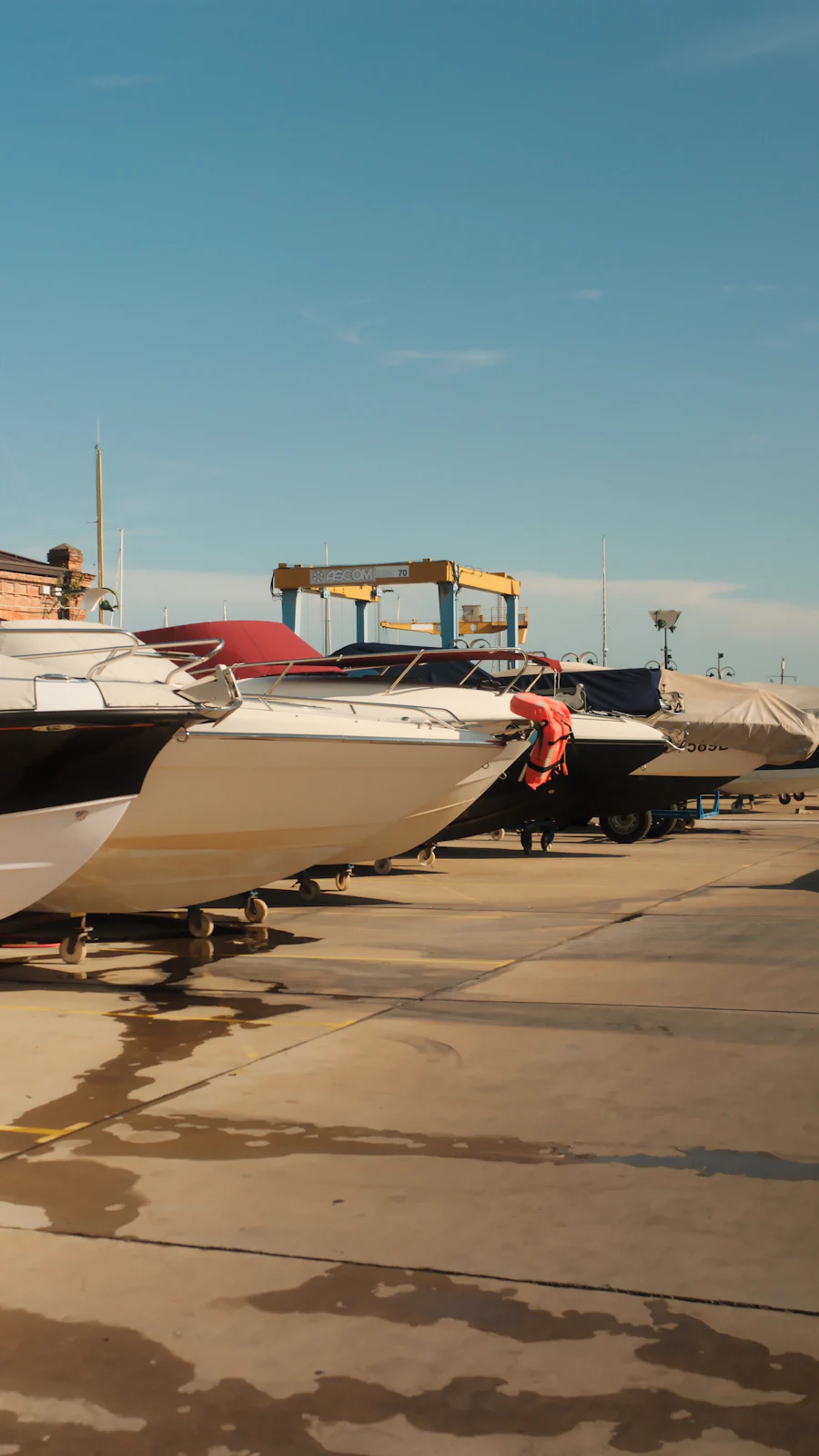
Lakeside Marine Group ranks in the top three in all four of its markets
"Four stores, four markets, and every one of them is in the top three now. The inventory pages bring in leads we never got before." Tom Whitaker
Your first six months
How we would approach a Kenosha farm equipment dealer.
- Month 1
Audit and fix
- Map where you rank across Kenosha
- Fix your Google Business Profile
- Clean up listings
- Set up call tracking
- Months 2 and 3
Build
- Launch inventory pages
- Add pages for nearby areas
- Start review requests after every sale
- Weekly profile posts
- Months 4 to 6
Grow
- Expand into more nearby areas
- Seasonal content
- Earn local links
- Monthly calls and leads report
Site Garage, your client portal, included
Every client gets a Site Garage login to see their leads, update their business info and check on their site. No tickets, no waiting on an account rep.
- Every lead in one placeStar leads, add notes and mark them contacted, won or lost.
- Update your infoChange hours, phone and address across your site yourself.
- Edit your pagesChange page text with a preview before it goes live.
- Undo anythingEvery change is logged, and any change can be undone.
- Logins for your teamAdd people as editors or leads-only, each with their own login.
- Weekly health checksWe check SSL, speed, forms and links, and fix what breaks.
Who Kenosha dealers compete with for farm equipment searches
Agricultural equipment dealerships in Kenosha compete with every nearby business that sells or services farm machinery. Many of these businesses serve the same farms, so they chase the same searches. Google shows only three spots on its map for a search like this one. Those spots usually go to businesses with complete profiles, steady reviews and clear service lists.
A dealer that wants one of those spots has to look stronger than the businesses around it. Reviews that name a specific brand, repair or fast turnaround give a dealer an edge over a profile with only a star rating. Photos of the lot, the shop and the parts counter also help a buyer decide quickly. Competitors that keep these details current tend to hold the map spots longer.
A dealer missing from the map loses calls to competitors nearby. Even a strong dealer can fade if its hours, phone number or service list is out of date. Keeping every listing accurate makes it easier for Google to trust the business. That trust is what moves a dealer closer to the three spots.
Smaller dealers can still compete by focusing on what they do best. A dealer known for planter repair or used tractor sales can build clear pages for those services. Those pages give Google and buyers a reason to choose that dealer over a broader competitor. Focus often matters more than size in local search.
How farm buyers in Kenosha choose a dealer on Google
Growers and farm owners often search for a specific repair, part or brand before they search for a dealer. A search for a combine that will not start is urgent, and the buyer wants the closest shop with parts on hand. A planned purchase is different, since the buyer compares dealers, inventory and trade-in options over several days. Both types of buyer check the profile first.
Before they call or visit, buyers look at the details on the profile. Hours during planting and harvest matter because a farm cannot wait for a shop to open. Photos of the lot, the shop and the service bays show whether a dealer is active and capable. A list of brands and services helps a buyer decide whether the dealer fits the job.
Reviews play a large role in that decision. A review that mentions a fast repair during a busy season carries weight with farm buyers. Reviews that describe a clear quote, a honest diagnosis or a follow-up call build trust. Dealers that ask every customer for a review after each job build a stronger record over time.
Distance matters, but a clear service area helps a dealer appear for growers who travel farther. Buyers in outlying areas often search with a town name and a brand. A profile that lists the areas a dealer serves gives Google a clear match for those searches.
How Kenosha's size shapes local search for farm equipment
Kenosha ranks 4th among Wisconsin's 370 cities, which gives it a large local market for farm equipment. In a city this size, a buyer sees dealers near their own neighborhood first. The business competes block by block and town by town rather than across the whole state. That makes location signals and service area pages especially useful.
Kenosha County also draws buyers from surrounding rural areas. Many growers live outside the city limits but still search for a dealer within driving distance. A dealer can reach those buyers through clear listings that name nearby towns. Google uses those signals to match a search with the right business.
The city's 2,825 businesses share the same local search results. Some of them are not in the farm equipment trade, so a dealer must stand out for the right searches. Specific service pages for tractors, combines, planters or parts help a dealer appear for each one. Each page should match a real service the dealer offers.
For a dealer in Kenosha, the goal is steady visibility in the local results. That means accurate listings, real reviews and content that reflects the dealer's actual work. Over time, a dealer that does this well becomes the obvious choice for buyers nearby.
Which nearby cities a Kenosha dealer can reach
Racine sits next door with 78,057 residents, and many growers in the area consider both cities for equipment service. A Kenosha dealer can serve buyers from Racine if its profile and service pages make the reach clear. West Allis, New Berlin, Oak Creek, Greenfield and Franklin are also within a short drive for many customers. Each of these cities has its own set of buyers and search habits.
Mount Pleasant, with 28,184 residents, and Muskego, with 25,759, are smaller places that still hold real demand. Buyers there often search with the name of their own town. A separate page for a nearby city makes sense when a dealer serves that area regularly and has real jobs to point to. Thin pages with only a city name will not help.
A separate city page works best when the dealer can describe local work in that town. A page for Racine might highlight equipment repairs on farms the dealer already serves there. Honest details like that are more useful to Google and to buyers than a generic template. Each page should have its own reviews, photos or service examples.
Smaller nearby cities often share one page with the wider service area. This approach keeps the site focused and avoids repeated content. The dealer can list each town in its service area and link to the most useful page for each search.
What a Kenosha dealer's local SEO plan focuses on first
The first step is to make the Google Business Profile complete and accurate. That includes the correct address, service area, hours, phone number and a clear list of equipment brands and services. A dealer should also add photos of the lot, the shop and the team. Clean profile data gives Google the facts it needs to match the business with the right searches.
Next, the plan builds a steady flow of reviews. After every repair, sale or parts pickup, the dealer asks the customer for a short review. Reviews that name the brand, the repair or the staff member help buyers and Google understand the business. Consistent reviews over several months tend to strengthen the profile.
The third focus is service and city pages. These pages describe the work the dealer does, such as tractor repair, planter service or used equipment sales. Each page should match a real service and include details that a grower would want to know. Listings on directories support these pages and reinforce the business's name, address and phone number.
Most clients see movement in 30 to 90 days, and the plan tracks calls and leads through the Site Garage client portal. Dealers can see which searches bring calls and which pages need more work. That feedback keeps the plan focused on what brings real customers to the shop.
Kenosha Farm Equipment Dealer SEO questions
What should a Kenosha dealer expect from its local search competition?
Kenosha dealers compete with other businesses that sell or service farm machinery across the city and nearby towns. Many local businesses share the same farm customers, so the field is crowded. A clear profile, steady reviews and specific service pages help a dealer stand out in that mix.
Can a Kenosha dealer rank in Racine with a separate page?
Yes, a Kenosha dealer can build a page for Racine if it serves buyers there regularly. Racine has 78,057 residents, so the market is large enough to justify a focused page. The page should describe real work in Racine, with reviews or examples that match the town.
Do farm buyers in Kenosha search for parts or dealers first?
Many farm buyers search for a specific part, repair or brand before they search for a dealer. Urgent repairs lead to searches for the nearest shop with parts on hand. Planned purchases lead to comparison searches over several days, so profile details matter for both.
How long does local SEO take for an equipment dealer in Kenosha?
Most clients see movement in 30 to 90 days. Early results often come from a complete Google Business Profile and accurate listings. Longer gains come from steady reviews, service pages and consistent updates to the profile over time.
Which profile details matter most to Kenosha farm buyers?
Hours, photos, the service area and a list of brands and services matter most. Farm buyers need to know whether a dealer can help during planting or harvest. Reviews that mention a specific repair or a fast turnaround also carry real weight.
Should a Kenosha dealer serve a wider area with its local SEO?
A dealer can serve a wider area if its profile and pages show the towns it reaches. Buyers in Kenosha County and nearby cities often search by town name. Clear service area details give Google a match for those searches.
Farm Equipment Dealer SEO near Kenosha
More Dealerships industries in Kenosha
See where you rank for "tractor dealer" in Kenosha
Free audit, no contract. Or call (855) 476-9249.